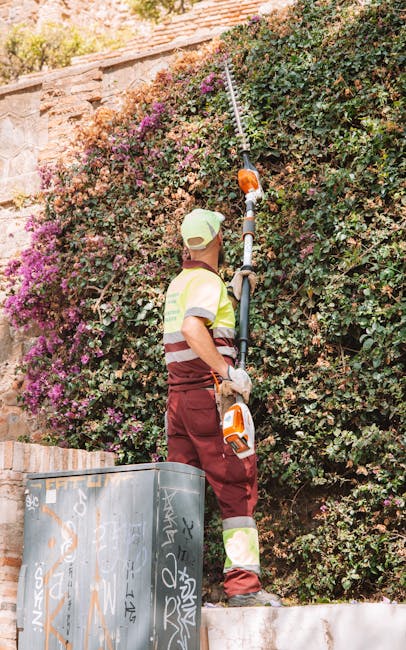
Clapham High Street Commercial Gardeners for Shops and Flats: A Practical Guide for Busy Properties
If you manage a shopfront, oversee a block of flats, or simply want shared outdoor areas to stop looking tired by Friday afternoon, Clapham High Street commercial gardeners for shops and flats can make a very real difference. The right team keeps entrances neat, planting under control, and communal spaces presentable without turning the job into a weekly headache. And let's be honest: when a front garden, courtyard, or pavement-facing display is tidy, the whole building feels more cared for.
This guide explains what commercial gardeners actually do for mixed-use and residential properties, how the process usually works, what to look for in a provider, and where the common mistakes happen. You'll also find a checklist, comparison table, compliance notes, and a realistic example from a typical Clapham setup. If you want a wider sense of the available work, the services overview is a sensible place to start.
Why Clapham High Street commercial gardeners for shops and flats Matters
Clapham High Street is busy, visible, and constantly moving. That matters. A shop with a scruffy frontage, overgrown hedging, or a planter full of weeds can lose a bit of its welcome before anyone even steps inside. For flats, the same applies to communal courtyards, boundary planting, and entrance areas. People notice these things in seconds.
Commercial garden maintenance is different from a one-off domestic tidy-up. You are not just making things look decent for today. You are keeping a property safe, welcoming, and manageable over time. That means regular cuts, seasonal pruning, waste removal, and attention to small problems before they become expensive ones. A few fallen leaves on a wet pathway? That's a slip risk. A hedge left unchecked? That can block sightlines or create a gloomy entrance that no one enjoys walking through, especially on a grey London morning.
For shops, outdoor presentation is part of the customer experience. For flats, it affects residents, visitors, letting agents, and landlords alike. In both cases, the garden area is not "extra"; it is part of the property's everyday reputation.
Expert summary: Good commercial gardening is less about dramatic landscaping and more about reliable upkeep, clean edges, healthy planting, and a routine that prevents the site from drifting into neglect.
How Clapham High Street commercial gardeners for shops and flats Works
Most commercial gardening arrangements begin with a site review. A gardener looks at the access, the size of the area, the type of planting, the level of foot traffic, and any issues that need immediate attention. For a shop, that might include entrance planters, hedge lines, or a small frontage. For flats, it could be shared lawns, borders, bin-screen planting, or an internal courtyard that gets a lot of use.
After that, the work is usually organised into a maintenance rhythm. Some properties need weekly attention in the growing season. Others are fine with fortnightly or monthly visits, plus occasional extra work when the weather changes. Truth be told, the best schedule is rarely the fanciest one. It is the one that matches how fast the site actually grows and how visible it is to the public.
A typical service might include mowing, hedge trimming, light pruning, weeding, leaf clearance, border tidying, shrub care, and green waste removal. If the site has become overrun, garden clearance may be the fastest reset. If hedges are the main issue, a specialist hedge trimming service is often the better fit.
Commercial gardeners also need to work around real-life access constraints. There may be deliveries, residents, locked gates, alarmed entrances, or quiet hours to respect. On a busy street, you often get a short window to work cleanly and quickly. That is normal. It just means planning matters as much as the pruning shears.
Key Benefits and Practical Advantages
The obvious benefit is appearance. A tidier frontage looks more professional, and well-kept communal gardens make a block of flats feel calmer and more cared for. But the real value is wider than that. A good maintenance routine reduces complaints, lowers the chance of overgrowth-related damage, and helps the site stay on top of seasonal pressure.
Here are the practical advantages that matter most:
- Better first impressions: useful for retailers, letting agents, landlords, and residents.
- Reduced trip and slip risks: leaves, moss, and messy edges are easier to control when they are tackled regularly.
- More predictable upkeep: recurring visits are usually easier to manage than emergency tidies.
- Healthier planting: shrubs, hedges, and lawns tend to do better when they are cut and fed correctly.
- Less disruption: planned visits keep the work out of the way of customers and residents.
- Cleaner waste handling: green waste is removed and dealt with properly rather than left behind in bags for days.
There is also a quieter benefit that people sometimes forget: peace of mind. Site managers and shop owners have enough to juggle already. When the garden side of things is under control, it stops sitting in the back of your mind like another unfinished job.
Who This Is For and When It Makes Sense
This service is a good fit for anyone responsible for outdoor areas that need to look presentable more or less all the time. That includes independent shops, convenience stores, cafes, estate-managed buildings, landlord-owned flats, housing blocks, mixed-use premises, managed estates, and property managers handling multiple addresses.
It makes sense when the site has one or more of these characteristics:
- the frontage is visible from the street
- shared areas get regular foot traffic
- the planting has outgrown in-house attention
- residents or customers are complaining about untidiness
- you need regular upkeep rather than a one-off intervention
- there is a safety concern, such as poor visibility or slippery surfaces
It is also sensible after tenant changeovers, before viewings, at the start of spring, or after a period of neglect. Maybe the site looked fine in March and then, a month later, the weeds arrived like they owned the place. Happens all the time.
For properties with mixed needs, combining maintenance with periodic improvements can work well. A team may keep things maintained through garden maintenance visits, then support larger upgrades through landscape gardening or landscaping if the space needs a more substantial reset.
Step-by-Step Guidance
If you have never arranged commercial garden work before, the process is easier than it sounds. A straightforward approach usually works best.
- Walk the site properly. Note the front, rear, side access, storage areas, and anything that blocks work such as parked bikes, bins, or delivery routines.
- List the priorities. Separate what must be done now from what can wait. A hedge blocking signage is not the same as a tired flower bed.
- Choose the service scope. Decide whether you need mowing, hedge cutting, pruning, clearance, or a broader maintenance plan. For lawns, a specialist lawn mowing service can be the cleanest option.
- Confirm access and timing. Commercial gardeners need to know gate codes, resident access rules, shop opening times, and where waste can be stored temporarily.
- Ask about waste removal. Green waste can pile up quickly, so it is worth confirming how cuttings will be taken away.
- Set the frequency. Weekly, fortnightly, monthly, or seasonal? The right answer depends on growth, visibility, and use.
- Review after the first visit. Small adjustments at the start save a lot of annoyance later.
A good provider will not just turn up and start cutting at random. They will think about weather, access, finish quality, and what the site should look like next week, not only today. That is the difference between tidy work and proper maintenance.
Expert Tips for Better Results
In practice, the best results come from consistency. Not dramatic interventions. Just steady, sensible care.
First, keep a clear maintenance standard. If the site is a shop front, decide how neat it needs to look at all times and what "acceptable" means between visits. A narrow hedge line may need more frequent trimming than a back courtyard, even if both are on the same contract.
Second, communicate changes early. If delivery schedules shift, if residents are away, or if access rules change, say so before the team arrives. A ten-second message can save a wasted visit. That sounds obvious, but you'd be surprised how often it gets missed.
Third, pay attention to seasonal timing. In spring and early summer, growth accelerates. In autumn, leaf fall can turn a clean path into a slippery mess. In winter, the focus may shift to clearing debris and keeping entrances clear rather than pushing for perfect-looking beds that won't stay perfect anyway.
Fourth, use the right service for the job. Overgrown hedges are not a lawn issue. A neglected rear yard may need garden clearance before any routine maintenance can actually stick. If there are branches overhanging roofs or blocking light, tree lopping and removal may need to be discussed carefully.
Finally, ask for photos or a brief summary after work is completed. It helps with internal sign-off, resident communication, and future planning. Simple, but useful.
Common Mistakes to Avoid
A lot of property issues start small. Then they get ignored until they are no longer small. That is usually where the bill gets awkward.
- Booking only one-off tidy-ups: one visit can improve appearances, but without maintenance the site slides back quickly.
- Underestimating access needs: garden teams cannot work properly if bins, vans, or locked gates block the route.
- Ignoring waste removal: cuttings left on-site create clutter and can become a nuisance fast.
- Mixing up domestic and commercial standards: a shared block of flats usually needs more coordination than a private garden.
- Leaving hedges too long between cuts: once growth gets too dense, the job becomes slower and the finish can suffer.
- Forgetting safety checks: tools, slippery surfaces, and hidden trip hazards should all be considered before work starts.
Another common miss is not setting expectations for what "tidy" means. One person wants a minimalist look, another wants full planting texture, and a third just wants the weeds gone by Monday. Better to agree that upfront. Saves a lot of back-and-forth.
Tools, Resources and Recommendations
Commercial gardeners use a mix of equipment depending on the site: mowers, hedge cutters, pruning tools, leaf blowers, strimmers, hand tools, and waste containers. The exact setup should fit the property, not the other way round.
For shop fronts and flats on Clapham High Street, the most useful recommendations are often the simplest:
- regular site notes so recurring issues are not forgotten
- a seasonal maintenance calendar for mowing, hedge cutting, and pruning
- clear access instructions for gates, keys, and resident coordination
- photographs of problem areas if you are requesting a quote
- a waste plan for clippings, branches, and bulk green waste
If you want a service framework rather than piecing everything together yourself, garden maintenance is the best place to look. For pricing clarity, the pricing and quotes page is useful for understanding how jobs are usually scoped. And if sustainability matters to your building or business, recycling and sustainability explains how green waste and materials are handled with a lighter footprint.
For service standards and reassurance, it is also worth reviewing the business-side information on insurance and safety and health and safety. Those pages matter more than people often admit.
Law, Compliance, Standards, or Best Practice
For commercial gardening on shops and flats, compliance is mainly about good practice, safe working, and proper property management. There is not usually a single "garden law" that solves everything, so the sensible approach is to think in layers: safety, access, neighbours, waste, and duty of care.
Common best-practice considerations include:
- safe use of tools and machinery around residents, staff, and passers-by
- clear working areas so trip hazards are reduced
- appropriate insurance for commercial work
- respect for shared access in blocks of flats and mixed-use buildings
- careful disposal of green waste rather than leaving bags or cuttings in communal areas
- reasonable timing to reduce disturbance to residents and customers
In London, the practical side of compliance often comes down to neighbour awareness and site safety. If the work affects customers entering a shop, or residents crossing a courtyard, the setup should be planned so the area stays usable and people are not put at risk. That means barriers where needed, sensible sequencing, and tidy cleanup. Nothing flashy. Just proper working habits.
If you are choosing a contractor, look for a business that explains its approach clearly and can back up its methods through pages such as about us, insurance and safety, and health and safety policy. That kind of transparency matters more than a polished sales pitch.
Options, Methods, or Comparison Table
Different properties need different levels of help. A narrow shop frontage is not the same as a large residential courtyard, and a one-off tidy is not the same as a proper maintenance contract. Here is a simple comparison that helps narrow things down.
| Option | Best for | Strengths | Limits |
|---|---|---|---|
| One-off tidy-up | Rapid improvement before a viewing, inspection, or reopening | Quick visual impact, useful for neglected spaces | Can fade fast without follow-up care |
| Regular maintenance | Shops, flats, and managed properties with ongoing footfall | Consistent presentation, easier budgeting, fewer surprises | Needs a clear schedule and shared expectations |
| Clearance plus maintenance | Overgrown or inherited sites that need a reset | Resolves the immediate mess and creates a workable baseline | Usually takes more effort at the start |
| Landscape improvement | Properties that need layout or planting changes | Can improve usability and long-term appearance | Less about routine upkeep, more about design and capital work |
In many cases, the smartest route is not choosing just one. It is combining a reset with ongoing care so the site stops yo-yoing between tidy and messy. That's the sweet spot, really.
Case Study or Real-World Example
Imagine a small retail unit near Clapham High Street with a compact frontage, two planted beds, and a hedge line beside the entrance. The space looks fine in April, but by mid-summer the hedge has softened the signage, weeds are poking through the beds, and customers are stepping around leaf litter near the doorway. Nothing dramatic. Just enough to make the place feel slightly off.
The first visit focuses on a reset: hedge trimming, weed removal, bed clearing, edging, and a full sweep-down of the entrance area. The second stage is a maintenance rhythm every few weeks so the site never gets back to that point again. If the rear service yard has also built up rubbish, a separate garden clearance visit may be added first.
Now take a block of flats with a communal courtyard. Residents want the area to feel calm, but there are bikes, bins, child traffic, and limited access times. The gardener has to work neatly, keep noise manageable, and avoid disrupting the day. In that setting, a maintenance plan is not a luxury; it is part of how the building functions. A visit that finishes cleanly, leaves no mess, and respects resident routines is worth much more than one that simply "did the job".
That's the reality on the ground. The best work often looks effortless because it has been planned properly.
Practical Checklist
Use this checklist before booking or reviewing any commercial garden work for shops and flats.
- Is the site visible enough to need regular presentation care?
- Do you need a one-off tidy, ongoing maintenance, or both?
- Have you identified priority areas such as hedges, lawns, or entrances?
- Do access times, gates, and resident rules need to be confirmed?
- Have you agreed how green waste will be removed?
- Are safety risks such as slippery paths or trip hazards noted?
- Do you know how often the site really needs attention?
- Have you checked whether the provider is insured and safety-conscious?
- Are seasonal tasks like leaf clearance and cutting cycles included?
- Have you set a review point after the first visit or first month?
If you can answer yes to most of those, you are already ahead of the game.
Get a free quote today and see how much you can save.
Conclusion
Clapham High Street commercial gardeners for shops and flats are about more than cutting back a hedge or mowing a lawn. They help keep a property presentable, safer, and easier to manage in a place where appearances matter and footfall never really stops. For shops, that means customers see a cared-for frontage. For flats, it means residents and visitors come into a space that feels maintained rather than forgotten.
The strongest results usually come from regular, well-planned care, not occasional heroics. Start with the site you actually have, agree what success looks like, and build a maintenance pattern that suits the property's pace. Simple as that. Or almost simple, anyway.
If you are ready to move from patchy upkeep to a more reliable system, speak to a local team that understands shopfronts, communal spaces, access restrictions, and the everyday realities of London properties. A tidy outside space has a quiet way of lifting the whole place, and sometimes that is exactly what a building needs.
Frequently Asked Questions
What do commercial gardeners do for shops and flats?
They handle ongoing outdoor upkeep such as mowing, hedge trimming, pruning, weeding, clearance, and general tidy-up work. For shops and flats, the goal is usually a neat, safe, and presentable space rather than a decorative private garden.
How often should a shop frontage be maintained?
It depends on growth, visibility, and foot traffic. Some frontages need weekly attention in peak season, while others can be managed fortnightly or monthly. Busy, street-facing areas usually need more frequent checks than tucked-away spaces.
Is garden clearance the same as regular maintenance?
No. Garden clearance is usually a reset for overgrown or neglected areas, while maintenance is the ongoing work that keeps a site in shape afterwards. Many properties need both at different stages.
Can commercial gardeners work around residents and customers?
Yes, and they should. Good commercial gardeners plan access, timing, noise, and cleanup so they do not disrupt residents, shoppers, or staff any more than necessary.
What should I ask before hiring a gardener for flats?
Ask about insurance, waste removal, access arrangements, frequency of visits, and what tasks are included. It is also sensible to ask how they handle safety in shared areas and whether they can adapt to resident routines.
Do commercial gardeners remove green waste?
They usually should, but always confirm. Green waste management is part of a proper service because leaving clippings or branches on-site creates clutter and can become a nuisance quickly.
What if the hedge is too overgrown for simple trimming?
If the growth is heavy or the hedge has not been touched for a long time, a more substantial cut or clearance may be needed first. In some cases, the site may also benefit from a broader maintenance plan afterwards so the problem does not return.
How do I know whether I need landscaping or just maintenance?
If the planting and layout are basically fine but just need care, maintenance is the likely answer. If the area feels awkward, tired, or poorly designed, then landscaping or a more involved improvement plan may be more appropriate.
Are commercial gardening visits suitable for small properties?
Absolutely. A small shop frontage or compact courtyard can still need professional care, especially if it is highly visible. Small spaces often show untidiness faster, which is a bit unfair, but there it is.
What are the biggest mistakes property managers make?
The biggest mistakes are leaving maintenance too long, not clarifying access, ignoring waste removal, and assuming a one-off tidy will solve an ongoing issue. Without a plan, a property usually drifts back to the same problem.
How can I check if a provider is trustworthy?
Look for clear service information, sensible safety practices, transparent communication, and business details that explain how they work. Pages like about us, health and safety policy, and insurance and safety are useful signals of a more organised operation.
What is the best first step if my site looks neglected?
Start with a proper site assessment and decide whether you need clearance, maintenance, or both. Once the urgent issues are dealt with, a regular schedule is usually the easiest way to keep the property under control without constant drama.
Where can I see the service options before requesting work?
You can review the available options on the services overview page, then move on to pricing and quotes if you want to understand how the work may be scoped.