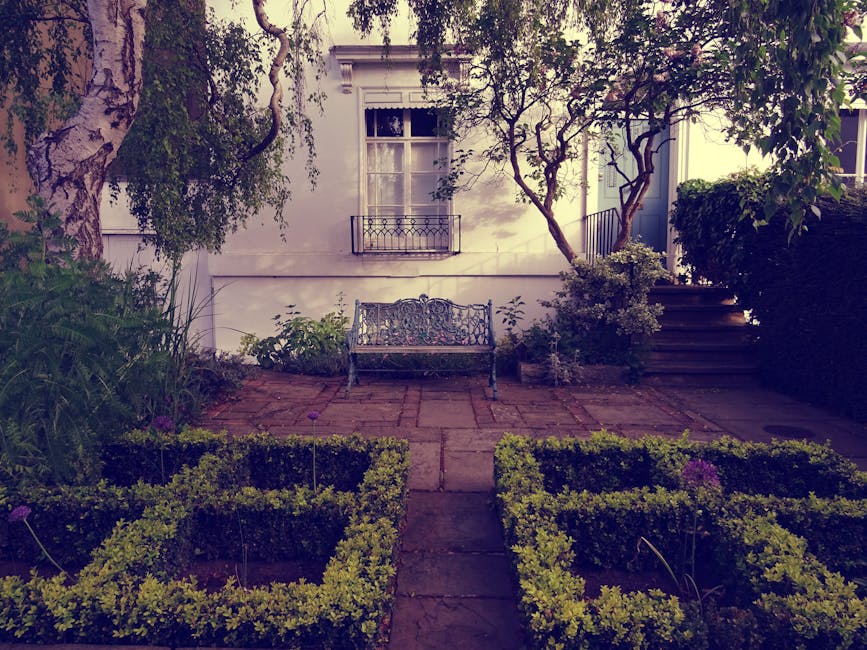
Gardeners near Clapham Common for private garden makeovers
If you live near Clapham Common, you already know the garden is doing a lot of heavy lifting. In a busy part of London, a private outdoor space needs to be more than just "nice to have" - it has to work hard, look good, and feel easy to use. That is exactly where gardeners near Clapham Common for private garden makeovers come in. They help turn awkward patios, patchy lawns, overgrown borders, and forgotten corners into places you actually want to spend time in.
Maybe your garden feels too shaded, too overlooked, or just a bit tired after years of neglect. Maybe it needs family-friendly structure, better planting, or a cleaner finish before summer gatherings kick off. Truth be told, most private garden makeovers start with the same feeling: "We like the garden in theory, but not in practice." This guide walks you through how the process works, what good local gardeners can do, what to watch out for, and how to make confident decisions without getting buried in jargon.
Along the way, you'll also find practical advice on budgeting, planning, materials, maintenance, and the kinds of details that make a makeover feel polished rather than half-finished. If you're comparing services, you may also find it helpful to browse related pages such as garden maintenance, lawn care, and tree pruning to see how different parts of a garden project fit together.
Table of Contents
- Why Gardeners near Clapham Common for private garden makeovers Matters
- How Gardeners near Clapham Common for private garden makeovers Works
- Key Benefits and Practical Advantages
- Who This Is For and When It Makes Sense
- Step-by-Step Guidance
- Expert Tips for Better Results
- Common Mistakes to Avoid
- Tools, Resources and Recommendations
- Law, Compliance, Standards, or Best Practice
- Options, Methods, or Comparison Table
- Case Study or Real-World Example
- Practical Checklist
- Conclusion
- Frequently Asked Questions
Why Gardeners near Clapham Common for private garden makeovers Matters
Near Clapham Common, gardens often have to balance a few competing pressures: limited space, privacy concerns, neighbouring properties, changing light, and a need for year-round usability. That mix makes garden makeovers a little more involved than simply "tidying up." A well-planned project can make a compact garden feel larger, reduce maintenance, improve flow between the house and outside space, and create a proper setting for everyday living.
Local knowledge matters too. A gardener who regularly works in this part of London will usually understand the practical realities of terrace gardens, shared boundaries, mature trees, and the way a garden can swing from bright sun to deep shade depending on surrounding buildings. They'll also know that the best makeover is not always the flashiest one. Sometimes it's a restrained, elegant redesign with improved soil, smarter planting, and a cleaner layout. Simple. But very effective.
There is also a trust element. Private garden makeovers are personal. You are not just asking someone to dig, prune, and plant; you are asking them to shape an outdoor room attached to your home. That calls for care, good communication, and a sense of proportion. A reliable local team should be able to explain what is feasible, what is worth doing now, and what can wait. If they cannot do that, it is usually a warning sign.
For many homeowners, the real reason this matters is emotional as much as visual. A garden that feels calm and usable can change how the home feels overall. Morning coffee outside, a tidy path after rain, somewhere for children to play without chaos - these small things add up. And yes, on a grey London afternoon, even a modestly improved garden can feel like a small luxury.
How Gardeners near Clapham Common for private garden makeovers Works
A proper private garden makeover usually starts with a conversation, not a spade. Good gardeners will want to understand how you live, not just what plants you like. Do you entertain? Do you want low maintenance? Is the garden overlooked? Do pets use the space? Do you want a place to sit in shade at 6pm, or a sun trap for the weekend? These practical questions shape everything that follows.
The process often moves through a few clear stages:
- Assessment: looking at the current garden, its strengths, and the problems that need solving.
- Planning: deciding on layout, planting style, materials, access, and maintenance expectations.
- Preparation: clearing, pruning, soil improvement, waste removal, and any groundworks required.
- Build and planting: installing paths, beds, edging, turf, planting schemes, trellis, or other features.
- Finishing and aftercare: final shaping, watering plans, and advice to help the garden settle in.
Sometimes the makeover is a gentle refresh. Sometimes it is a more structural project involving level changes, new boundaries, or hard landscaping. To be fair, the best results often come from a blend of both. A neat patio without planting can feel bare; planting without structure can feel messy. The sweet spot is usually somewhere in the middle.
If your project involves more substantial garden construction, it may be worth looking at support pages such as hard landscaping and soft landscaping. Those two elements work differently, but they are rarely separate in practice. One gives shape, the other brings the place to life.
A skilled gardener should also explain maintenance realistically. A design that looks lovely in June but becomes a burden by September is not a good design. A private garden makeover works best when it is grounded in how much time you actually want to spend outside with secateurs, a hose, and the occasional wheelbarrow. Not every weekend should become a project.
Key Benefits and Practical Advantages
There are plenty of reasons people invest in a garden makeover, but the strongest ones are usually practical. You want the space to work better, not just look prettier in photographs. Here are the main advantages homeowners near Clapham Common tend to look for.
- Better use of space: careful layout can make small or awkward gardens feel bigger and more coherent.
- Improved privacy: planting, screens, and boundary treatments can soften overlooking from neighbouring homes.
- Lower maintenance: the right planting scheme can reduce constant tidying and make care more predictable.
- Stronger kerb appeal: even a rear garden contributes to the overall impression of a property.
- More comfortable outdoor living: seating areas, lighting, and access routes make the space easier to use day to day.
- Healthier planting: soil improvement and correct plant choice can dramatically improve long-term success.
There is also a quieter benefit that people often underestimate: mental relief. A garden that no longer feels chaotic can take a surprising amount of pressure off the house. You stop seeing "jobs" every time you look out of the window. Instead, you get a proper view. That's worth something.
For some clients, the biggest win is not drama but order. Clean edges. Better structure. Plants that belong in the space. A path that leads somewhere sensible. Small changes, yes, but they change how the garden reads. And once the structure is right, everything else becomes easier.
Who This Is For and When It Makes Sense
Private garden makeovers are a good fit for a wide range of homeowners and tenants, although tenants should always check permission before making changes. Around Clapham Common, the most common situations include:
- you have moved into a property with a tired or neglected garden
- the space feels too exposed and needs better screening
- your current planting is patchy, overgrown, or simply unsuitable
- the lawn is damaged, uneven, or impossible to keep looking good
- you want a more sociable layout for entertaining
- you need the garden to be safer and easier for children or pets
- you are preparing a property for sale or long-term rental value
It also makes sense if the garden is not "bad" exactly, just underperforming. Many London gardens are structurally fine but visually muddled. Perhaps the borders are too busy. Perhaps there is no obvious place to sit. Perhaps the paving feels disconnected from the planting. A makeover can solve that without starting from scratch.
One realistic scenario: a couple on a Victorian terrace near the Common may have a long narrow garden with patchy grass, a shady rear corner, and no privacy from neighbouring windows. A good redesign might replace the lawn with a more resilient surface, introduce layered planting for depth, and use climbing plants or screens to create softness. Nothing wild. Just considered.
Another is the busy household that needs resilience more than perfection. In that case, the brief is often "make it look good and keep it simple." Fair enough. Not everyone wants a garden that demands more attention than the house.
Step-by-Step Guidance
If you are planning a private garden makeover, a clear process helps avoid wasted spend and awkward surprises. Here is a sensible way to approach it.
1. Decide what the garden must do
Start with use, not style. Do you need dining space, planting, storage, play space, a wildlife corner, or a calmer view from inside? Write the priorities down. If everything is a priority, nothing is.
2. Walk the space at different times of day
Morning light, midday sun, and evening shade can each change what works. A spot that feels perfect at 10am may be gloomy by 4pm. In London, this matters more than people expect, especially where houses and trees create shifting light patterns.
3. Sort the structure first
Paths, steps, edging, drainage, surfaces, and boundaries should come before decorative planting. If the bones are wrong, the garden will keep feeling off. A tidy-looking border cannot fix a poor layout. Sorry, but it's true.
4. Choose plants for the site, not for the catalogue
Plant choice should reflect shade, soil type, exposure, and the amount of care you are willing to give. A good gardener will steer you away from fussy plants that will sulk in the wrong place. Better to have three strong choices than fifteen weak ones.
5. Agree the maintenance level
Before work starts, be honest about upkeep. A low-maintenance scheme may need slower-growing shrubs, mulching, and a simpler layout. A more ornamental garden may require seasonal shaping and routine care. If needed, a package such as ongoing garden maintenance can keep the result looking sharp.
6. Build in aftercare
New planting needs water, attention, and a bit of patience. New lawns need careful handling. Fresh mulch settles. Surfaces may need a final clean. The first few weeks matter a lot, and a good gardener should explain what happens after the main work is done.
One small but useful tip: ask for the order of operations before work begins. It helps you understand where money is going and reduces the risk of a project drifting. That kind of clarity is quietly reassuring.
Expert Tips for Better Results
Garden makeovers go more smoothly when the brief is sharp and the decisions are joined up. Here are a few things seasoned gardeners tend to keep in mind.
Expert summary: The best private garden makeovers near Clapham Common usually combine honest planning, practical planting, and enough structure to keep the space tidy over time. Fancy is fine, but functionality wins in the long run.
Use repeated elements to create calm
Repeating one or two materials, colours, or plant types can make even a small garden feel more intentional. A lot of visual clutter comes from trying to do too much at once.
Invest in the edges
Good edging, neat borders, and clean transitions between hard and soft landscaping make a bigger difference than most people expect. You notice it immediately, even if you cannot quite explain why.
Think in layers
A strong scheme often has groundcover, mid-height planting, and a few structural shapes above that. The effect is fuller and more stable through the seasons. It also avoids the flat, sparse look that some new gardens get.
Do not ignore the view from indoors
You will not always be standing in the garden. You will also be looking at it from the kitchen, dining room, or back bedroom. So frame the main view carefully. This is one of those small things that makes a garden feel "finished."
Keep maintenance in the design
If you know you will not deadhead daily or prune every weekend, say so early. A realistic design is not a compromise. It is often the best kind of design.
And if you are comparing help with planting and structure, pages like planting services and hedge trimming can give a clearer sense of how a complete makeover is built up over time.
Common Mistakes to Avoid
Private garden makeovers often go wrong in familiar ways. Most of them are avoidable, which is the good news. The tricky part is spotting them before work begins.
- Starting with plants before fixing the layout. A beautiful planting plan cannot rescue a confusing flow.
- Choosing plants based only on looks. That silver-leaf shrub may look great, but if it hates your shade, it will struggle.
- Underestimating drainage. Wet patches, puddling, and soggy borders can ruin otherwise good work.
- Ignoring boundaries and privacy. In an urban setting, overlooking is often central to how usable the garden feels.
- Trying to squeeze in too many ideas. Pizza oven, water feature, climbing frame, meadow area, storage, lawn, dining terrace... the garden is not a suitcase.
- Skipping aftercare. New work needs settling in. If nobody checks on it, small issues get expensive.
Another common issue is choosing the cheapest quote without understanding what is included. It sounds obvious, but it happens all the time. One quote may include clearance, soil improvement, disposal, and finishing; another may not. If those differences are unclear, the final bill can wander in ways nobody enjoys.
Also, do not let the project become too rushed. Gardens change with the weather, and rushed work in poor conditions can create long-term headaches. A steady pace is often a safer pace. Not glamorous, perhaps, but sensible.
Tools, Resources and Recommendations
You do not need to be a gardener yourself to manage a makeover well, but it helps to know the basic toolkit and service areas involved. This makes conversations with contractors much easier.
| Element | Why it matters | Typical use in a makeover |
|---|---|---|
| Soil improvers and compost | Support healthier planting and better moisture retention | Before planting beds, borders, or turfing |
| Quality edging | Keeps lines neat and prevents borders spreading into paths | Paths, beds, and lawn boundaries |
| Proper pruning tools | Help shape shrubs and trees without damaging growth | Resetting overgrown planting or opening up light |
| Watering plan | Essential for new planting to settle in well | First weeks after planting and during dry spells |
| Waste removal method | Clears old material safely and efficiently | Pre-makeover clearance and site tidying |
In terms of services, it can help to think in layers. If your garden needs a complete reset, you may start with garden clearance, move into landscaping, then finish with planting and a maintenance plan. That sequence is often more logical than trying to do everything at once.
If you want a healthier lawn as part of the makeover, it may also be worth looking at turfing. For homes with older or awkward trees, tree surgery may be the safer route than leaving dense growth untouched. And yes, sometimes a bit of honest pruning changes the whole feel of the place.
One recommendation that rarely gets enough attention: keep a few photos of the garden before work starts. Not because you need a scrapbook, but because it helps you remember what was already there and judge the improvement properly later on.
Law, Compliance, Standards, or Best Practice
Garden makeovers are usually straightforward, but there are still a few legal and practical considerations to keep in mind in the UK. This is especially relevant in London, where space is tight and neighbours are close by.
First, if your home has shared boundaries, it is wise to be careful around fences, walls, and anything that may be jointly owned or maintained. A good gardener should not assume boundary ownership; they should ask or advise you to check before altering anything significant. That kind of caution saves awkward conversations later.
Second, if a project involves trees, large shrubs, or major pruning, local restrictions may apply in some cases. It is always sensible to pause and check whether a tree is protected or whether the work could affect a conservation area, particularly if the garden sits in an older or formally designated part of the borough. A responsible contractor will not guess. They'll tell you when something needs checking.
Third, waste must be handled properly. Green waste, timber, rubble, and mixed material should be removed and disposed of in line with normal UK practice. If a team is vague about disposal, that is not ideal. Clean-up is part of the job, not an optional extra.
Finally, basic site safety matters. Even a private garden can involve uneven ground, lifting, machinery, slippery paths, and sharp tools. Good practice means keeping the site tidy, minimising hazards, and protecting nearby surfaces and planting. Nothing fancy. Just professional.
If your makeover includes lighting, drainage, or anything more technical, it is reasonable to ask how the work will be carried out and whether specialist input is needed. Better a careful answer now than a repair later.
Options, Methods, or Comparison Table
Not every garden makeover needs the same approach. Sometimes a light refresh is enough. Sometimes you need a fuller redesign. Here is a simple comparison that may help you think it through.
| Approach | Best for | Pros | Watch out for |
|---|---|---|---|
| Refresh and tidy | Gardens that are mostly sound but messy or overgrown | Lower cost, faster turnaround, minimal disruption | May not solve deeper layout or privacy issues |
| Partial makeover | Spaces needing new planting, paths, or one stronger focal area | Good balance of impact and budget | Needs clear prioritisation to avoid patchy results |
| Full redesign | Gardens with poor structure, drainage issues, or major usability problems | Most transformative, can solve multiple issues at once | More planning, more cost, and usually more stages |
For many properties near Clapham Common, a partial makeover is the sweet spot. It gives enough change to feel meaningful without turning the whole project into a month-long disruption. That said, if the space has real structural issues, trying to "patch it up" can be a false economy.
There is no single right answer. The right option is the one that fits the garden, the budget, and the way you live. Sounds obvious, but it is where many projects become muddled.
Case Study or Real-World Example
Here is a realistic example based on the kind of brief gardeners near Clapham Common often receive.
A homeowner with a narrow rear garden wanted a private space that felt calmer and less overlooked. The garden had patchy lawn, tired shrubs, and a corner that stayed damp after rain. It was usable, but only just. On summer evenings, the area felt a bit exposed and not particularly inviting.
The makeover began with clearance and a proper look at the light and drainage. The lawn was reduced rather than simply replaced, creating more room for a terrace and planting. The tired shrubs were removed, the borders were rebuilt with better soil, and the planting scheme was simplified so the space would not become cluttered. Screening plants were added where privacy mattered most, but not in a way that made the garden feel boxed in.
The final result was not dramatic in a flashy sense. No waterfalls, no exotic overkill, none of that. But the garden suddenly had structure, balance, and a place to sit that actually felt comfortable. On a breezy early evening, with the faint smell of fresh soil and clipped greenery still hanging in the air, the whole space made more sense. That's the sort of transformation people are usually after, even if they don't phrase it that way at the start.
The key lesson? A good makeover solves the real problem, not just the visible one. If the issue is privacy, address privacy. If the issue is flow, address flow. If the issue is maintenance, make maintenance easier. Obvious perhaps, but easy to forget when browsing plant photos.
Practical Checklist
Before you book work in, run through this simple checklist. It will help you brief the job properly and avoid a few common hiccups.
- Have you defined the garden's main purpose?
- Do you know which areas need privacy, structure, or softening?
- Have you noted where the sun, shade, and damp spots fall?
- Do you know what should stay and what should go?
- Have you decided whether you want low, medium, or higher maintenance planting?
- Are boundaries, trees, and shared features clearly understood?
- Have you asked what clearance, disposal, and aftercare are included?
- Do you have a realistic budget range in mind?
- Have you thought about how the garden looks from inside the house?
- Will the design still work in winter, not just in June?
Quick takeaway: the better the brief, the better the garden. Clear priorities lead to cleaner decisions, fewer surprises, and a result that feels like it belongs to your home rather than someone else's portfolio.
Conclusion
Choosing gardeners near Clapham Common for private garden makeovers is ultimately about finding people who understand both design and day-to-day reality. A good makeover should make the space feel better to look at, easier to use, and simpler to live with. That usually means thoughtful planning, honest advice, and enough local experience to work with London gardens rather than fight them.
If you keep the brief practical, think about structure before decoration, and choose planting that suits the site, the result can be quietly transformative. Not showy for the sake of it. Just right. And sometimes that is the best outcome of all.
Get a free quote today and see how much you can save.
Whatever your starting point, a well-made garden has a way of giving something back every day. Little by little, the space begins to feel like part of the home again, and that is a genuinely good feeling.
Frequently Asked Questions
What do gardeners near Clapham Common usually include in a private garden makeover?
It depends on the brief, but most makeovers include some mix of clearance, pruning, soil improvement, planting, lawn work, edging, and sometimes hard landscaping. A better provider will explain what is included up front and what counts as extra.
How do I know if my garden needs a full makeover or just a refresh?
If the garden is basically sound but untidy, a refresh may be enough. If the layout feels awkward, the drainage is poor, privacy is lacking, or the planting is failing, a fuller redesign is usually more sensible.
Can a small garden near Clapham Common still be transformed?
Yes, absolutely. Small gardens often benefit most from a makeover because layout, screening, and planting choices can make a huge difference. In compact spaces, every metre has to earn its keep, really.
How long does a private garden makeover usually take?
Timing varies with the size of the garden and the scope of work. A simple tidy-up may be quick, while a more involved redesign can take several stages. Weather, access, and material availability can also affect the schedule.
What should I ask before hiring a gardener for a makeover?
Ask what is included, how they approach design, whether waste removal is covered, what aftercare they recommend, and how they handle changes once work starts. It's also sensible to ask about previous work of a similar scale.
Are planting schemes important in a makeover, or just an extra?
They are very important. Planting is often what makes the space feel finished and alive. Without the right planting, even a neat patio or path can feel bare or temporary.
Do I need to worry about permissions or restrictions?
Sometimes, yes. If the work affects trees, shared boundaries, or significant structural elements, it is worth checking whether any restrictions apply. A careful gardener should flag anything that needs further attention rather than guessing.
What is the best option for low-maintenance garden design?
Low-maintenance gardens usually rely on simple structure, durable materials, resilient plants, and clear access for care. They are not maintenance-free, but they should be much easier to manage than a highly ornamental scheme.
Will a makeover help if my garden feels overlooked by neighbours?
Yes, privacy is one of the most common reasons people invest in garden improvements. Screening, layered planting, trellis, and careful layout can all help make the garden feel more enclosed without making it dark or cramped.
Should I sort out lawn care before or after the makeover?
Usually it is best to handle the wider redesign first and then finish the lawn properly as part of the final stage. If the lawn is heavily damaged, a specialist approach such as turfing or lawn restoration may be part of the main plan.
What if I already have overgrown hedges or trees?
Those may need trimming, shaping, or more formal tree work before the rest of the design can come together properly. Sometimes clearing light and structure first reveals that the whole garden can breathe again. It sounds dramatic, but it often is that simple.
How do I make sure the finished garden stays looking good?
Ask for aftercare advice and be realistic about upkeep. A good maintenance plan, seasonal pruning, watering in dry spells, and occasional check-ins will help the result last. A beautiful garden is not a one-day event; it grows into itself over time.